Imagine seeing a post that says "COVID vaccines are the most dangerous developed recently as they have caused a substantially higher rate of death and serious injury compared to all other vaccines over the last 10 years." It sounds alarming, right? Yet the Ministry of Health (MOH) has issued correction orders under the Protection from Online Falsehoods and Manipulation Act (POFMA) because such claims are factually wrong and dangerously misleading. This kind of misinformation spreads fast, especially among teens scrolling through feeds—and even before it’s checked, it can cause real worry and wrong decisions.
First off: misinformation is false or misleading information that gets shared, sometimes by mistake, sometimes on purpose. It matters because it can mess with our decisions—what we believe, how we vote, how we behave. It might look harmless at first, but the consequences can be real.
Where It Begins
Misinformation starts in many ways:
-
Someone sees a statistic online, doesn’t check the source, and posts it—an honest mistake.
-
A site wants clicks and writes a dramatic headline like “You’ll never believe what happened next!”—an attention-seeker move.
-
Sometimes someone deliberately spreads lies to make money (ads on fake sites) or to mess up someone’s reputation.
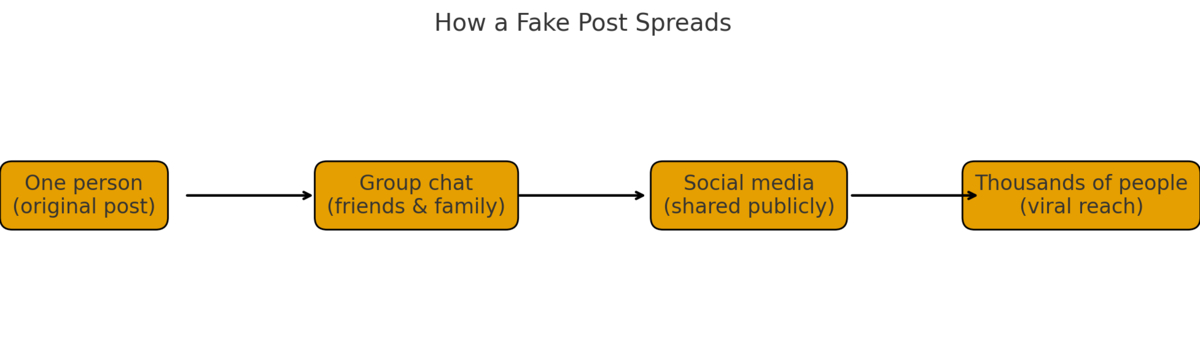
How It Spreads So Fast
You might think “Well, people will check first,” but here’s what happens:
-
Because a post makes us feel something—shock, fear, joy—we share it quickly. And those emotional posts tend to get shared more.
-
We trust people in our friend circle or those we follow, so when they share something, we’re more likely to believe it without checking.
-
There’s also something called “share without reading” — a lot of times people don’t even click into the article before sharing. One study found about 75% of links shared on Facebook were not opened first.
-
Fake information often travels faster and farther than true information. One MIT-based study found false news spread more quickly than truth on Twitter.
Why It’s Hard to Stop
Stopping the spread of misinformation isn’t just about telling people “Don’t share fake posts.” Here’s why it’s hard:
-
Human nature: We tend to believe what fits what we already think or feel comfortable with. We also remember short, catchy stories more than boring facts.
-
Information overload: There’s so much content online that we don’t always have time (or skills) to check everything.
-
Speed vs. correction: Fake posts go viral in minutes; fact-checks often come hours or days later—and may not reach many people.
What’s Being Done – And What You Can Do
Efforts are underway: fact-checking organisations verify viral claims, social platforms label or remove false posts, and media-literacy education helps people learn how to evaluate information. But you don’t have to just wait for others—you can help:
-
Pause before clicking “share.” Ask yourself: “Is this really true?”
-
Check the source: Is it a trustworthy site?
-
Read a little—don’t just go by the headline.
-
Compare: Do other reliable outlets report the same thing?
-
If you see a friend sharing something false, you can respond kindly
Conclusion
Misinformation spreads because it’s fast, feels urgent or emotional, and because many of us share before we check. But that doesn’t mean we’re helpless. Every time you pause and verify before sharing, you help misinformation to spread. The more people do that, the more we build a healthier information space. It starts with one person. It could be you.
Reference
